So gewinnst du Twisted Party
Taktik für die fünf echten Rad-Spiele
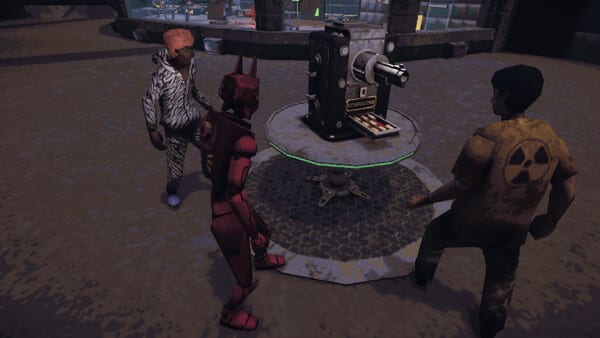
Gewinnen in Twisted Party heißt, ein Freie-für-alle auf einem Fünf-Spiele-Rad zu überleben und danach nicht in der Abstimmungskapsel zu sterben, während die nächste Arena lädt. Es gibt keinen Teambaum. Waffenruhen halten, bis jemand einen Skin braucht. Diese Seite bleibt bei Blindshot, Dynamite, Braincrab, Music Hero, Bumper Car und dem Warten dazwischen. Wenn eine andere Seite dir erfundene Arcade-Challenges beigebracht hat, wirf sie weg.
Blindshot
Du siehst keine Gegner. Wer zuerst getroffen wird, schaltet Chubby frei — etwa 36 % der Besitzer haben ihn, First Blood ist also alltäglich. Dein Siegziel ist nicht Chubby; es ist unsichtbar bleiben. Remple absichtlich. Kontakt ist Information. Strafe mit WASD, tippe Shift, wenn du eine Lesung hast, und sprinte nicht geradeaus, das andere hören können. Jagst du den Skin statt der Runde, musst du nach dem ersten Schuss trotzdem weiterleben. Details stehen auf der Blindshot-Seite.
Dynamite
Stoppe einen Timer so nah wie möglich an der Zielzahl. Nimble One ist genau 7, bei etwa 29 % der Besitzer. Ping schiebt den Stopp. Lebst du weit vom Host, ziel eine Spur früher. Die Runde kannst du trotzdem gewinnen, wenn alle anderen später sind. Dynamite ist keine Reflexprüfung, die eine bessere Maus löst; es ist eine Latenzsteuer. Siehe Dynamite.
Braincrab
Tagge andere mit einem Braincrab. Scientist sind zehn Tags, rund 16 %. Der Timer lässt sich verbiegen — Leute reden vom Stallen oder Zurücksetzen der Joke-Uhr statt sauberem Tag. Für den Rundensieg taggst du die, die stillstehen und den Gimmick erklären. Für den Skin zählst du Tags über den Abend, nicht nur eine Runde. Der Braincrab-Artikel klärt auch den Namen Headcrab.
Music Hero
Rhythmus und Pfeilklicks. Reviews behandeln es als Füller. Der Playtest-Patch stoppte extra Versuchsabzüge nach Fehler oder abgebrochenem Pfeil, Mash-Strafe ist also nicht mehr die Skill-Decke. Triff das Pattern, vergiss Guitar-Hero-Nostalgie, spare Fokus für Spiele, die mehr Lobby töten. Liegt du Letzter, weil du einen Miss totgeklickt hast, hast du gegen die alten Regeln gekämpft. Lies Music Hero und Steuerung.
Bumper Car / Car Mode
Rundenbasierte Schubskraft. Such keine Lenklinie. Wähle einen Stoß, der einen Rivalen kippt, ohne dich selbst in einen Tod zu schicken, den die Patchnotes nachjustieren mussten. Disconnectet jemand während der Schubs-Wartezeit, sollen neuere Builds unterbrechen statt einfrieren. Spiel so, als könnte ein Drop trotzdem kommen: sei nicht der einzige AFK am Force-Prompt. Car Mode erklärt die Ungeschicklichkeit, die auch die Survival-Wertung ankreidet.
Kapsel in der Zwischenrunde
Blackjack, russisches Roulette, wen-lässt-du-leben. Volle Lobbys nehmen oft nur eine Teilmenge (drei von fünf ist die Review-Geschichte). Zuschauen ist keine Geheimstrategie, es ist Ausschluss. Dreimal hier sterben ist Freelancer. Willst du Cultist — fünf Finalspiele, etwa 2,1 % — farm keine Kapseltode in einer ernsthaften Nacht. Lobby-Warten ist die volle Beschwerdeliste.
Skins, die nicht „besser spielen“ heißen
Sadman sind zehn Tode durch irgendwas (~82 %). Greesha ist −100 Punkte (~31 %). Partyman tanzt auf Platz 1 (~16 %). Das ist Hausaufgabe, keine Taktik. Cultist ist der echte „gewinn mehr“-Skin. Steam Cloud speichert den Haufen.
Spiel 2–4, wenn du weniger Zuschauer willst. Spiel 4–6 für einen echten Tisch. Spiel acht, wenn du Chaos akzeptierst. Hoste mit privatem Code. Dann gewinne das Rad, das wirklich ausgeliefert wurde.
Häufig gestellte Fragen
Schnelle Antworten auf die häufigsten Fragen.
Was ist der schnellste Weg, mehr Runden zu gewinnen?
Blindshot-Rempler, Dynamite-Ping und Car Mode als Schubs, nicht als Fahren. Music Hero ist Füller; überdenk es nicht.
Soll ich extra sterben für Skins?
Sadman und Freelancer wollen Tode. Cultist will fünf Finalsiege. Verwechsel die Ziele nicht in einer ernsthaften Nacht.
Macht eine kleinere Lobby das Gewinnen leichter?
Ein 2–4-Raum hat weniger Rivalen und weniger Kapsel-Ausschluss. Es bleibt Last-one-standing, kein Teammodus.